Attracting and Retaining Skilled Labor in the Paving Industry
The Workforce Challenge We Can’t Ignore
If you’ve been in paving long enough, you’ve seen the shift happening firsthand: crews are aging, and younger workers aren’t joining at the same pace. Every year, it gets harder to find skilled labor—and even harder to keep it.
It’s not that people don’t want to work. It’s that they have options. Competing industries are offering stability, predictable schedules, and clearer growth paths. Meanwhile, paving still carries the reputation of long hours, hot days, and seasonal uncertainty.
The reality is this: paving is one of the most vital trades in infrastructure. Our work keeps communities and economies moving. But if we don’t invest in people with the same commitment we invest in equipment and materials, we’ll find ourselves facing challenges that technology alone can’t solve.
Why People Leave — and Why They Stay
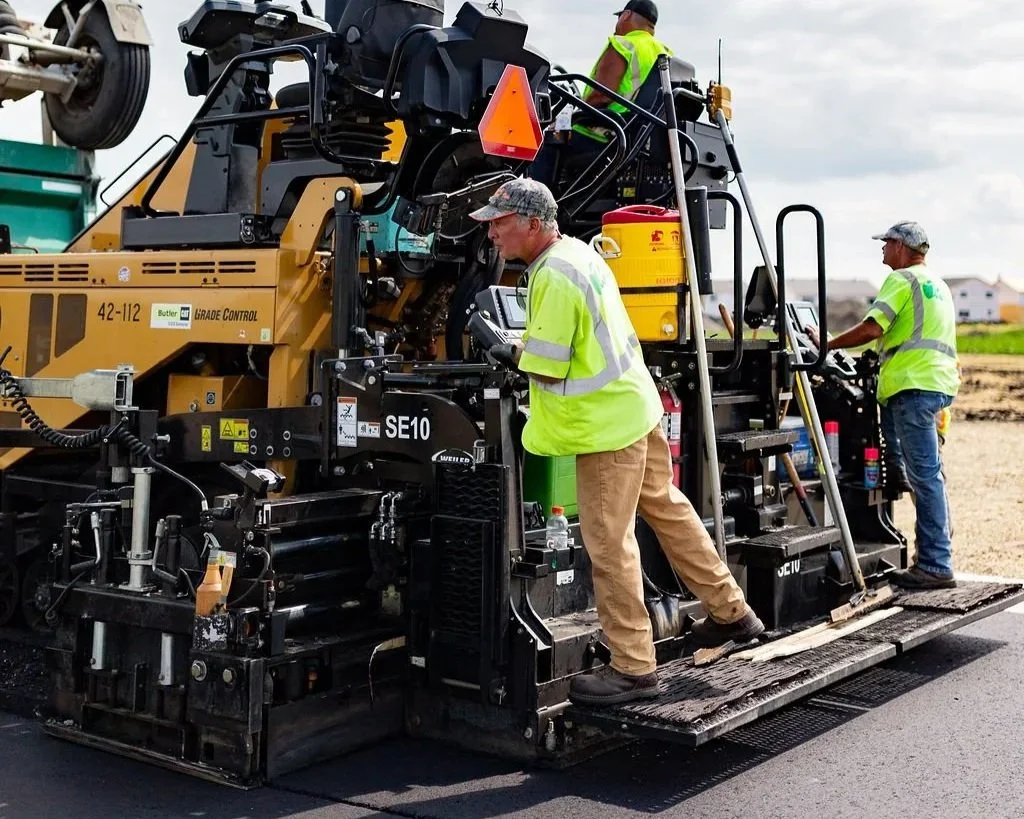
Pay matters, but it’s not the only reason people leave. Retention problems often stem from leadership gaps, unclear communication, and a lack of long-term vision for workers.
People stay when they feel respected, trusted, and valued. They stay when leaders take the time to listen and when they believe their work means something.
Over the years, I’ve noticed a few key reasons people commit to this industry:
Growth opportunities. When there’s a clear path forward—from laborer to operator to foreman—people invest in their future
Trust in leadership. Crews follow leaders who communicate openly and prioritize safety and fairness.
Pride in purpose. When workers see the value of what they’re building, it changes how they show up.
Retention isn’t just about wages—it’s about worth. People stay when they’re treated like professionals with a role that matters.
Building a Culture That Attracts Talent
Attracting the next generation isn’t just a hiring challenge—it’s a culture challenge.
We can’t keep relying on “how it’s always been done.” The workforce has changed, and our approach to leadership has to evolve with it.
Here’s where the biggest opportunities lie:
Training intentionally, not reactively. Don’t wait for mistakes to happen before teaching. Build mentorship into the workflow.
Recognizing effort consistently. A simple “good work today” or public acknowledgment during a meeting goes a long way.
Listening to ideas from the field. The best insights often come from those on the ground. Empower them to contribute.
Supporting work-life balance. Paving is demanding, but burnout doesn’t have to be part of the job description.
We talk a lot about building better roads, but the truth is, we also need to build better teams—ones that people want to be part of for the long haul.
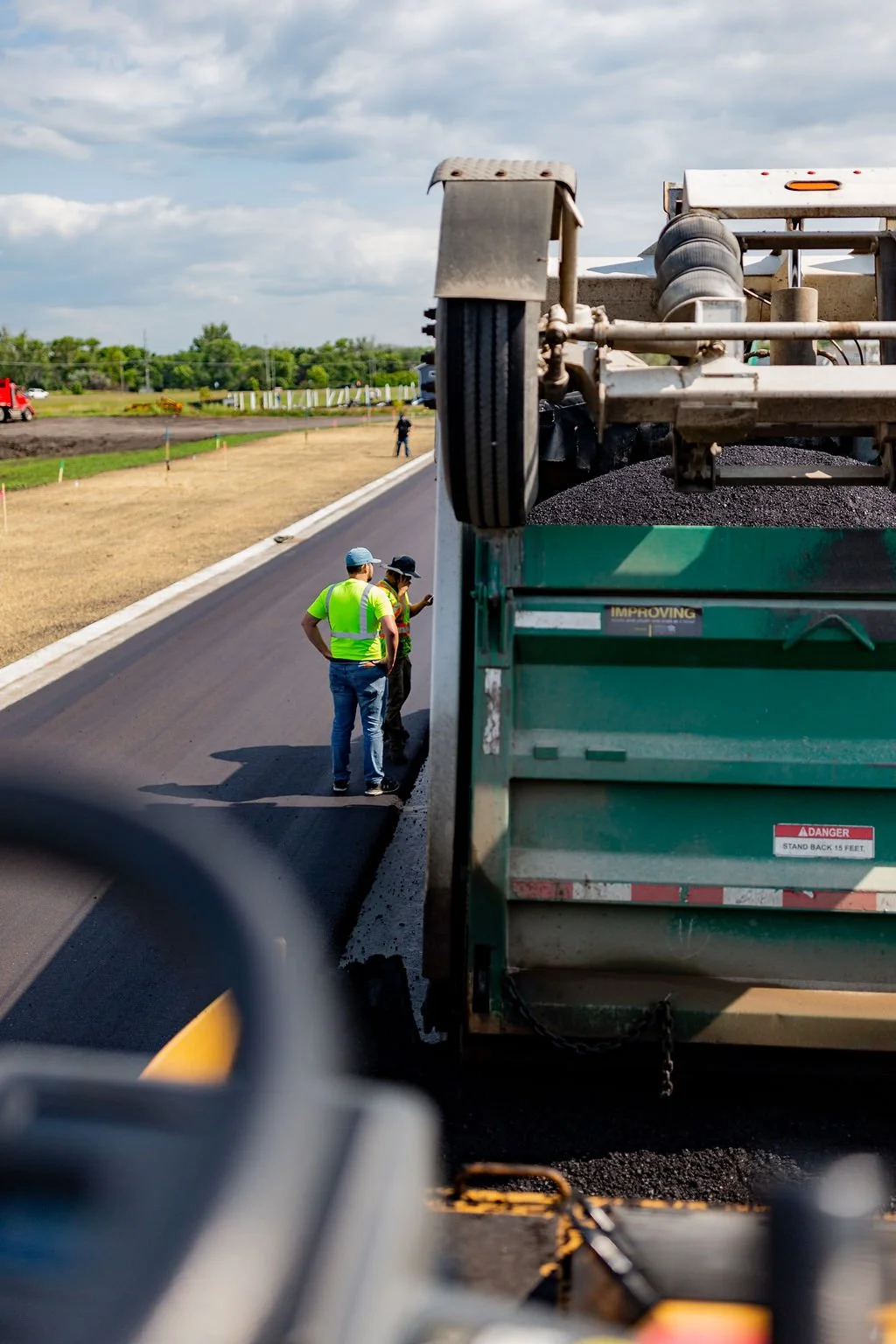
YOU set the tone for how every crew functions.
Leadership Is the Difference Maker
Retention doesn’t start with HR—it starts with leadership on the ground.
Foremen, superintendents, and project managers set the tone for how every crew functions. When leadership sets expectations clearly, communicates purpose, and leads by example, the entire jobsite feels it.
A great leader:
Takes time to explain why something matters, not just what needs to be done.
Listens before reacting.
Recognizes potential and gives people room to grow.
If we want to fix our labor shortage, we have to focus on developing strong, empathetic leaders. Because when leadership thrives, retention follows.
Looking Ahead
The paving industry has always been built on grit, skill, and pride. But the next era will be built on adaptability.
Younger generations are looking for purpose, opportunity, and respect. We can offer all three—but it takes a conscious shift in how we recruit, train, and lead.
We can’t just ask people to join this industry; we have to show them why it’s worth joining. That starts with how we treat the people already here.
Because at the end of the day, no project succeeds without the skilled hands and steady minds behind it. If we build our culture with the same care we build our roads—strong, reliable, and built to last—we’ll have a workforce ready to pave the future.
Final Thought
The future of paving doesn’t just depend on innovation in materials or equipment—it depends on people. Let’s make sure we’re giving them a reason to stay, grow, and lead the way forward.
If this topic resonates with you, connect with me on LinkedIn or share your perspective. The conversation around workforce development is one this industry can’t afford to ignore.