The Market Trends Reshaping the Paving Industry
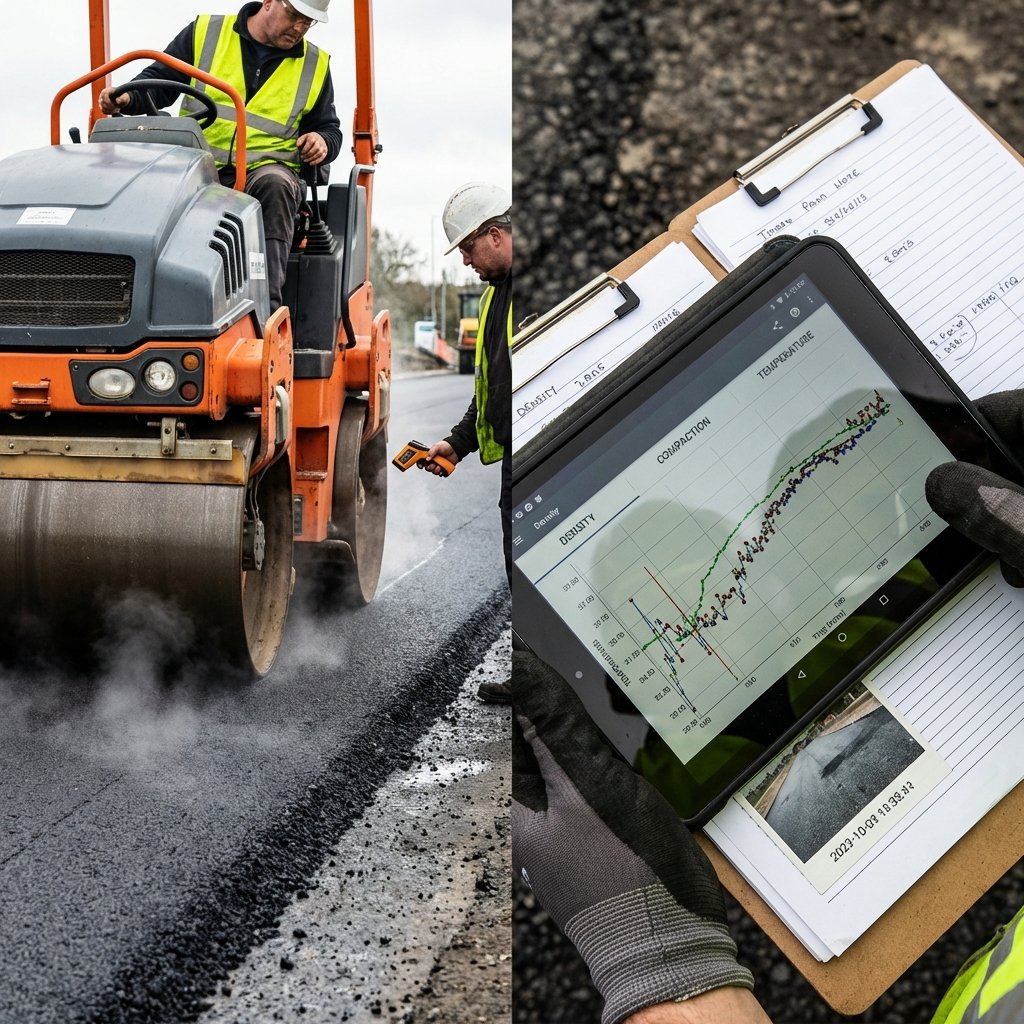
Quality expectations are rising, and proof is now part of the work.
When people talk about trends in paving, the conversation often turns to equipment or technology. Those things matter, but they are not the full picture.
The most important shifts happening in the industry right now are driven by pressure. Pressure on crews, on documentation, on timelines, and on decision making.
Understanding those pressures is key to staying competitive.
Increased Expectations Around Quality and Proof
Quality expectations in paving have not relaxed. If anything, they have become more demanding.
More projects require detailed documentation. More scrutiny is placed on density, compaction, temperature, and process verification. Customers want proof, not just finished pavement.
This shift has changed how work needs to be managed. Data is no longer something you collect at the end. It is part of the job itself.
Contractors who cannot document their work clearly are exposed to disputes, delays, and financial risk.
Weather Is Under the Microscope
Weather has always mattered in paving, but the tolerance for explaining it after the fact is shrinking.
Temperature swings, wind, and rain timing are being examined more closely. Decisions made in the field are expected to be supported with clear records and reasoning.
This trend is forcing contractors to be more intentional about how they track and communicate conditions. Guesswork is becoming harder to defend.
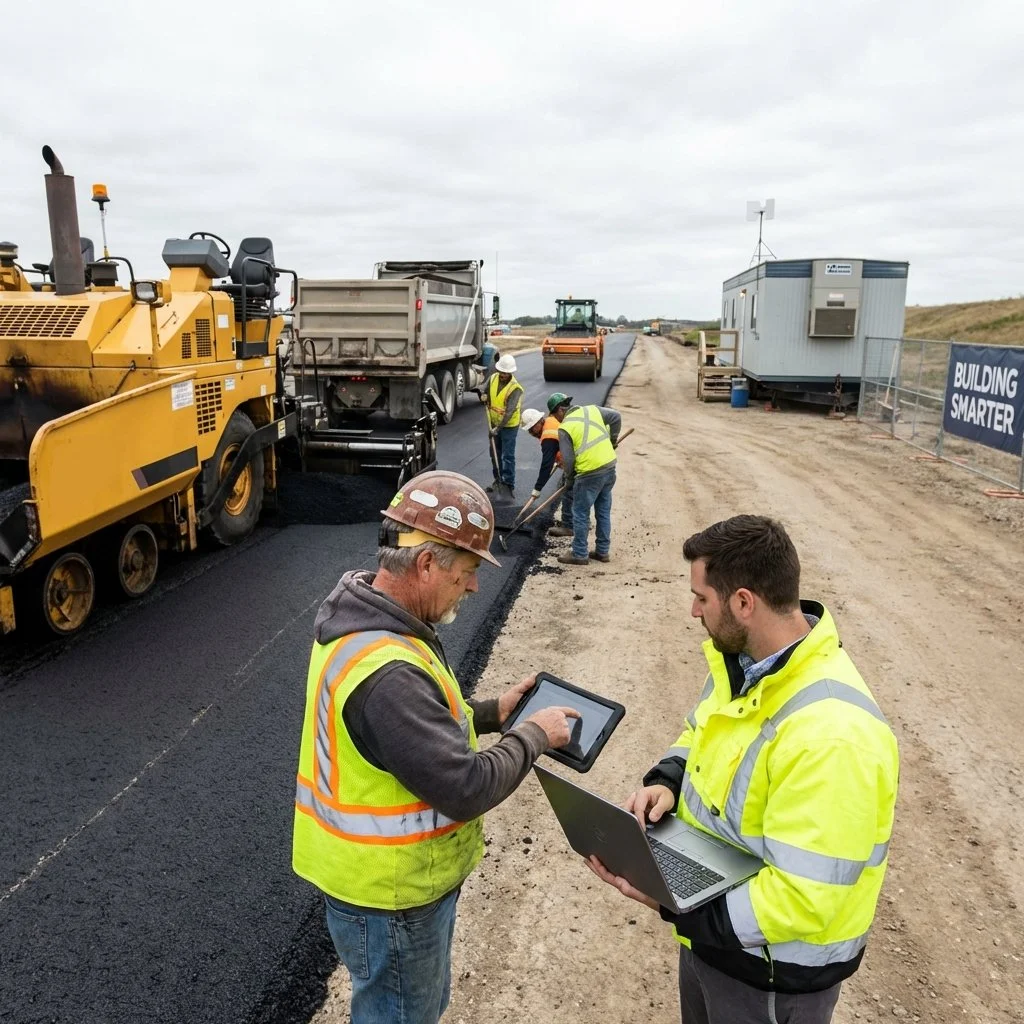
Labor pressures are structural, not temporary.
Labor Pressures Are Not Temporary
The labor shortage is not a short term issue. It is a structural shift.
There are fewer experienced workers entering the industry. Promotions happen faster. Training windows are smaller. Expectations remain high.
This reality increases the importance of systems, communication, and support. Relying on tribal knowledge alone is no longer sustainable.
Companies that adapt their processes to support less experienced crews will be better positioned to maintain quality and consistency.
Communication Gaps Are Costly
One of the clearest trends I see is the cost of misalignment between field and office.
Specs interpreted differently. Changes communicated late. Information scattered across systems. These gaps lead to delays, rework, and frustration.
As projects become more complex, alignment becomes a competitive advantage. Contractors who can keep everyone working from the same understanding reduce risk across the board.
Data Must Turn Into Decisions
Collecting data is no longer the challenge. Turning it into useful decisions is.
The industry is moving away from static reports and toward actionable insight. The goal is not more numbers. It is clarity at the right moment.
Companies that use data to support real decisions will outperform those that simply store it.
Final Thoughts
The paving industry is not being reshaped by trends in isolation. It is being reshaped by pressure.
Higher expectations, tighter margins, labor constraints, and increased scrutiny are forcing contractors to rethink how work is planned, executed, and documented.
Those who adapt with intention will stay ahead. Those who rely on old assumptions will feel the strain.